

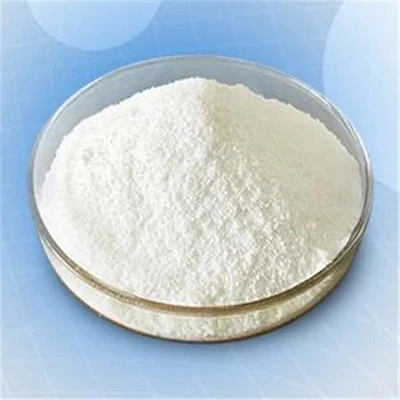
Shrimp feed intake attractant is a functional aquaculture feed additive engineered for shrimp feed formulations to support feed recognition, palatability, and feeding response. By triggering chemical and sensory receptors, it accelerates feed detection upon water entry, helping reduce unconsumed feed waste and lower Feed Conversion Ratios (FCR)-particularly during environmental stress, water quality fluctuations, or feed transition periods.
Key Product Characteristics
Rapid Feed Recognition: Delivers precise sensory cues using natural chemoattractants (free amino acids, short-chain peptides, and nucleotides) that help shrimp locate feed quickly.
Enhanced Palatability and Intake: Stimulates continuous feeding activity, aiding in steady feed acceptance, reduced nutrient leaching, and optimized feed efficiency.
Versatile Formulation Use: Suitable for nursery, starter, and grow-out diets, with inclusion rates scalable to formulation goals.
Process Compatibility: Formulated to withstand standard conditioning, pelletizing, extrusion, or post-pellet liquid and powder coating processes.
Controlled Physical Properties: Strict specifications for moisture, particle size, bulk density, and flowability ensure precise micro-dosing and uniform mixing.
Proven Evaluation Pathway: Practical trial protocols allow feed formulators to benchmark inclusion rates, water stability, and initial feeding response against baseline formulas.
Technical Specifications
|
Parameter |
Specification |
|
Product Name |
Shrimp Feed Intake Attractant |
|
Product Category |
Functional Aquaculture Feed Additive |
|
Primary Application |
Shrimp and Crustacean Feed Formulations |
|
Target Species |
Litopenaeus vannamei, Penaeus monodon, and other farmed crustaceans |
|
Active Components |
Concentrated chemoattractant blend (free amino acids, organic acids, short-chain peptides, nucleotides) |
|
Physical Form |
Micro-powder, fine granule, or liquid concentrate |
|
Appearance |
According to approved product grade specification |
|
Moisture |
Controlled according to target product specification |
|
Particle Size |
Tailored to micro-feeds or standard feed premixes |
|
Bulk Density |
Provided on grade-specific Technical Data Sheet (TDS) |
|
Solubility / Dispersibility |
Optimized for dry mixing or liquid coating systems |
|
Recommended Inclusion Rate |
Typically 0.1% to 0.5% (established via formulation trials) |
|
Shelf Life |
12 to 24 months in sealed original packaging |
|
Storage Conditions |
Cool, dry, well-ventilated area away from direct sunlight |
|
Quality Control |
Batch-coded with full COA, TDS, and SDS support |
Applications
Nursery and Starter Diets: Accelerates initial feed recognition in early stages, reducing nutrient leaching in small-particle feeds.
Grow-Out Diets: Sustains steady feed intake in commercial production, supporting uniform growth and feed drive during environmental fluctuations.
Pelletized Feeds: Directly integrated into dry premixes prior to steam conditioning.
Extruded Feeds: Thermally stable grades designed to withstand heat, pressure, and barrel residence times.
Post-Processing Coating: Applied via vacuum coating or liquid/powder surface spraying post-drying to maximize sensory availability.
Manufacturing and Quality Control
Raw Material Inspection: Verification of purity, active concentration, heavy metals, and microbiological safety.
Precision Batching: Automated micro-weighing and validated mixing cycles ensure consistent homogeneity across batches.
In-Process Monitoring: Continuous checking of moisture content, temperature, particle size distribution, and bulk density.
Finished Product Screening: Comprehensive batch testing covering physical properties, active marker consistency, and pathogen screening.
Traceability: Every commercial lot is assigned a unique batch number linked to production logs and retained samples.
Application Validation and Trial Steps
To ensure seamless integration into existing production lines, we support a step-by-step evaluation process:
Sample Receipt
Laboratory and Matrix Trial
Inclusion Rate Optimization
Processing Compatibility Test
Feeding Response Trial
Commercial Approval
During matrix trials, formulators evaluate homogeneity, pellet integrity, water stability, leaching rate, and overall feeding response under controlled conditions.
Regulatory Compliance and Documentation
Complete documentation packages are available to support international regulatory compliance and vendor approval:
- Certificate of Analysis (COA) per batch
- Technical Data Sheet (TDS) and Safety Data Sheet (SDS)
- Heavy Metal and Contaminant Analysis Reports
- Microbiological Screening Profiles
- Product Registration Support (where applicable)
Packaging and Logistics
Powder / Granular: 25 kg multi-layer paper bags with PE inner liner; 500 kg or 1,000 kg moisture-proof bulk bags (FIBC).
Liquid Formats: 25 kg HDPE drums, 200 kg drums, or 1,000 kg IBC totes.
Custom Options: Private labeling, specialized palletization, and custom net weight options available upon request.
B2B Customization Capabilities
We partner with commercial feed manufacturers to adjust product parameters based on specific mill equipment, local raw materials, and species targets:
- Active concentration adjustments for low-dose premixes
- Physical form tailoring (micro-fine powder vs. non-dusting granules)
- Liquid formulations designed for post-pellet coating systems
To request a customized quotation, please provide:
- Target species and culture stage
- Feed manufacturing process (Pelletizing, Extrusion, or Post-Coating)
- Target inclusion rate or formulation goals
- Projected annual volume and destination market
FAQ
Q: What primary role does Shrimp Feed Intake Attractant play in feed formulation?
A: It serves as a functional sensory additive designed to accelerate feed detection, improve initial acceptance, and sustain feeding activity, helping reduce unconsumed feed waste and support lower FCR.
Q: What active compounds drive its attraction performance?
A: The formulation relies on concentrated chemoattractants, including balanced profiles of free amino acids, short-chain peptides, nucleotides, and organic acids that trigger sensory receptors in crustaceans.
Q: How is the recommended inclusion rate determined?
A: Typical inclusion rates range between 0.1% and 0.5% depending on concentration grade, baseline feed composition, species stage, and application method. Optimal rates are finalized through initial matrix trials.
Q: Is the product stable during high-temperature extrusion processing?
A: Yes. Specific thermo-tolerant powder grades are available for pre-extrusion mixing, or liquid/powder grades can be applied post-drying via surface coating systems to avoid thermal stress.
Q: What compliance documentation is provided for commercial imports?
A: Each shipment is supported by a Certificate of Analysis (COA), Technical Data Sheet (TDS), Safety Data Sheet (SDS), shelf-life verification, and relevant heavy metal and microbiological screening reports.
Hot Tags: shrimp feed intake attractant, China shrimp feed intake attractant manufacturers, suppliers, factory