

Technical Guide & Sourcing Overview: Nutritional Feed Additives
Nutritional Feed Additives are concentrated active ingredients used in formulated animal diets to supply precise levels of essential vitamins, amino acids, trace minerals, and functional nutrients.


Technical Support & Sourcing Summary
Core Product Categories:
Vitamin Additives, Feed-Grade Amino Acids, Inorganic & Organic Trace Minerals, Mineral Supplements.
Quality Certifications:
Manufactured under FAMI-QS, ISO 22000, and GMP+ quality management systems.
Global Compliance:
Fully documented packages supporting EU Feed Hygiene Regulation (EC 1831/2003) and US FDA FSMA requirements.
Technical Specifications & Product Selection Criteria
Selecting the appropriate feed additive specification depends directly on the physical processing parameters of the target feed mill and the nutritional requirements of the animal species.
|
Parameter |
Purchasing Relevance |
Technical Considerations & Quality Limits |
|
Active Content / Assay |
Determines exact nutrient contribution |
Verified via HPLC / Titration to ensure strict batch-to-batch potency. |
|
Physical Form & Particle Size |
Dictates dosing accuracy & blend uniformity |
Powder, granular, or coated forms; mesh size optimized to prevent segregation in premixes. |
|
Purity & Impurities |
Prevents contamination and protects gut health |
Strict compliance with EU Directive 2002/32/EC on undesirable substances in animal feed. |
|
Solubility & Dispersion |
Critical for liquid feeds, milk replacers, and drinking water |
Instantized/water-soluble grades available for drinking water and liquid supplements. |
|
Thermal & Processing Stability |
Ensures retention during pelleting and extrusion |
Micro-encapsulated or heat-stable forms designed to withstand high temperatures and shear forces. |
|
Heavy Metal Limits |
Compliance with international safety regulations |
Low lead (Pb), cadmium (Cd), arsenic (As), and mercury (Hg) thresholds tested per batch. |
|
Microbiological Limits |
Protects biosecurity across the feed supply chain |
Strict control limits for Salmonella spp. (Absence in 25g), E. coli, mold, and yeast. |
|
Shelf Life & Storage |
Guarantees active potency over time |
Standard 12-24 month shelf life when stored in original sealed packaging under cool, dry conditions. |
Product Portfolio & Species-Specific Applications
|
Product Category |
Key Technical Indicators |
Primary Animal Applications |
|
Vitamin Feed Additives |
High potency assay, bioavailability, stability against oxidation and heat |
Poultry (broilers/layers), swine, cattle, aquaculture, commercial premixes |
|
Amino Acid Feed Additives |
Purity (>= 98.5%), low dust level, high water solubility, precise isomer ratio |
Precision nutrition in swine, poultry, and aquaculture diets |
|
Trace Mineral Additives |
Metal concentration, organic/chelated options for superior bioavailability |
Ruminant concentrates, livestock mineral packs, aquatic diets |
|
Mineral Feed Additives |
Elemental concentration, controlled heavy metals, balanced particle size |
Complete feeds, base mixes, and block supplements for livestock |
Poultry Diets (Broiler, Layer, Breeder): Requires exceptional particle uniformity to ensure micro-ingredient distribution at low inclusion rates (0.01% - 0.1%).
Swine Diets (Starter, Grower, Sow): Prioritizes bioavailability, palatability, and stability in pelleted or extruded feed formulations.
Ruminant Diets (Dairy, Beef Cattle):
Focuses on mineral balance, rumen stability, or rumen-protected bypass nutrients where specified.
Aquaculture Diets (Fish, Shrimp):
Demands high water stability, minimal leaching, and strict heavy metal controls to preserve aquatic water quality.
Premix Production:
Requires precise bulk density, non-dusting physical properties, and free-flowing characteristics to prevent segregation during transit.
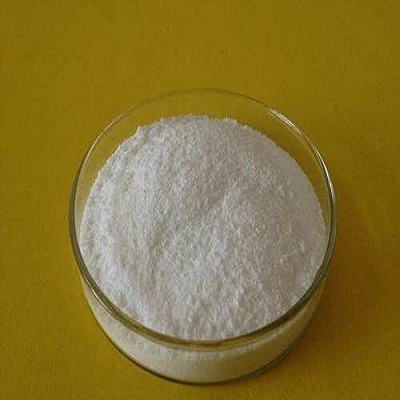
Raw Material Verification: Identity testing and purity checks on all incoming ingredients prior to processing.
In-Process Controls: Monitoring of mesh size, moisture levels, bulk density, and blending homogeneity.
Finished Product Analysis: Every production lot is sampled and verified against approved specification sheets.
Analytical testing includes assay potency, loss on drying, heavy metals, and microbiological screening.
Lot Traceability: Unique batch numbering links all dispatched packaging directly to raw material origins and laboratory analytical records.
Global Regulatory Compliance & Documentation
Certificate of Analysis (COA):
Batch-specific analytical results for every shipment.
Safety Data Sheet (SDS):
Fully compliant with GHS formatting standards.
Technical Product Specification (TPS):
Detailed physical, chemical, and nutritional parameters.
Regulatory Support:
Specific documentation to support registration under EU Regulation (EC) 1831/2003 (Feed Additives) and US FDA FSMA standards.
FAQ
As one of the leading nutritional feed additives manufacturers and suppliers in China, we warmly welcome you to buy high-grade nutritional feed additives for sale here from our factory. All our products are with high quality and competitive price.
feed conditioner, feed quality enhancer, inorganic feed additive