

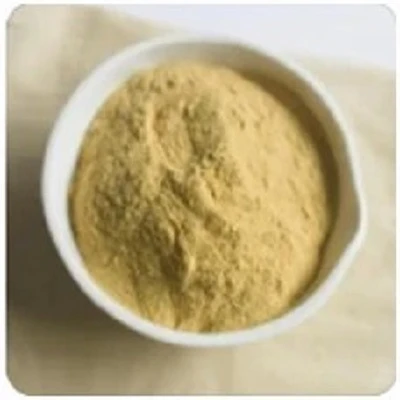
Aquaculture pellet binder additive is a high-performance functional feed processing aid engineered to enhance particle cohesion, pellet durability index (PDI), and leaching resistance in both pelleted and extruded aquatic feeds. Formulated with a synergistic matrix of modified hydrocolloids and refined natural polymers, the binder establishes durable cross-linked bridges between feed particles during thermal conditioning and cooking.
Strategic Sourcing Considerations
Binding Efficiency & Inclusion Rate: Optimal functional performance at low dosage rates (0.2% - 1.0%).
Mechanical Durability (PDI): Structural resistance against abrasive shear during screening, conveying, and transport.
Fines Reduction: Prevention of dust and fines generation, minimizing feed waste and water contamination.
Hydro-Stability (Leaching Control): Sustained structural form and nutrient retention during prolonged water immersion.
Processing Compatibility: Heat and shear stability across conventional pelleting and single/twin-screw extrusion.
Supply Chain & Compliance: Full batch traceability, strict heavy metal/microbiological controls, and multi-region regulatory compliance.
Technical Specifications & Quality Standards
|
Technical Parameter |
Buyer Requirement / Standard Range |
Test / Evaluation Method |
|
Physical Appearance |
Free-flowing, uniform powder; free of foreign debris |
Visual & Organoleptic Inspection |
|
Active Binding Matrix |
Modified Hydrocolloids & Natural Polymer Complex |
FTIR Spectroscopy / Product Standard |
|
Moisture Content |
<= 10.0% |
Loss on Drying (105°C, 3 hours) |
|
Particle Size Distribution |
> 98% passing through 80 mesh (180 microns) |
Dry Sieve Analysis (ISO 3310-1) |
|
Bulk Density |
0.65 - 0.85 g/cm³ |
Loose Density Apparatus |
|
Heavy Metals (as Pb) |
<= 10 mg/kg |
ICP-MS (AOAC 2013.06) |
|
Arsenic (As) |
<= 2 mg/kg |
ICP-MS |
|
Microbiological Limits |
Salmonella: Negative in 25g; Total Plate Count: < 10,000 CFU/g |
ISO 6579 / ISO 4833-1 |
|
Recommended Inclusion Rate |
2.0 - 5.0 kg/MT (0.2% - 0.5% in finished feed) |
Application Specific |
|
Shelf Life & Storage |
24 months in unopened original packaging (< 25°C, dry conditions) |
Real-time Stability Protocol |
Functional Mechanism & Performance Validation
Binding Mechanism
Upon thermal conditioning and moisture exposure (80°C - 110°C, 14% - 18% moisture), the active functional polymers undergo rapid hydration and gelation.
Standardized Performance Testing SOP
To establish objective performance criteria during supplier qualification, evaluations should utilize standardized analytical protocols:
Pellet Durability Index (PDI): Tested via Holmen NHP100 (30-60 seconds) or Standard Tumbler Tester (ASAE S269.4) to quantify mechanical abrasion resistance.
Water Stability (Leaching Resistance): Measured by static water immersion (25°C fresh or seawater). Evaluates physical retention percentage and time elapsed prior to structural disintegration (> 2 - 4 hours target for benthic feeders).
Pellet Hardness: Evaluated using a digital Texture Analyzer (peak compression force) to ensure physical strength without impairing feed intake.
Species & Application Profiles
Shrimp Feed
Shrimp feed demands extended hydro-stability due to slow, bottom-feeding habits.
Target Objective: Maintain structural integrity in water for 2 - 4 hours without excessive nutrient leaching.
Key Benefit: Reduces fines dissolution, maintaining water clarity and optimizing Feed Conversion Ratios (FCR).
Fish Feed
Designed for high-throughput production of both floating and slow-sinking pellets for Tilapia, Trout, Salmon, Catfish, and Marine species.
Target Objective: High PDI (> 96%) to withstand high-speed pneumatic blowers on feed barges without fracturing.
Key Benefit: Provides superior mechanical strength without altering target density or buoyancy profiles during extrusion.
Quality Management & Global Compliance
Quality Certifications: ISO 9001:2015, ISO 22000, FAMI-QS, and GMP+ certified manufacturing facility.
Regulatory Declarations: Fully compliant with EU Feed Hygiene Regulation (EC) No 1831/2003 and US FDA Title 21 CFR standards. Non-GMO statement, Allergen-free declaration, and BSE/TSE-free certification provided with every shipment.
Batch Traceability: Unique Lot/Batch identifiers linked to raw material incoming inspections, in-process control records, and final Certificate of Analysis (COA).
Packaging, Logistics & Commercial Terms
Standard Packaging:
25 kg multi-wall paper bags with PE inner liner (Palletized & Stretch-wrapped).
750 kg / 1,000 kg FIBC Jumbo Bags for automated bulk dosing systems.
Minimum Order Quantity (MOQ): 1,000 kg (Trial orders supported).
Documentation Provided: COA per batch, Commercial Invoice, Packing List, Certificate of Origin, SDS (GHS compliant), TDS.
FAQ
Q: What inclusion rate is recommended for extruded floating vs. pelleted sinking feed?
A: Typical inclusion ranges from 0.2% to 0.5% (2 - 5 kg per metric ton of complete feed). Sinking shrimp feeds requiring prolonged water stability may utilize up to 0.8% - 1.0%, depending on raw starch gelatinization levels and processing temperatures.
Q: Does this binder affect pellet buoyancy or expansion in floating fish feed?
A: No. The binder functions as an internal matrix strengthener and does not alter the expansion ratio or specific gravity governed by extruder screw configuration, die pressure, and temperature settings.
Q: How does the product perform under high-temperature extrusion processing?
A: The binder matrix is thermally stable up to 130°C. High temperatures and steam conditioning actually activate the functional polymers, accelerating gelation and strengthening particle-to-particle bonding.
Q: Is the binder compatible with pre-mix dosing systems and automated micro-ingredient feeders?
A: Yes. With a uniform particle size (> 98% passing 80 mesh) and controlled bulk density (0.65 - 0.85 g/cm³), the powder offers excellent flowability and resists bridging or caking in automated dosing hoppers.
Q: How can we request samples for factory trial runs?
A: We provide complimentary sample kits (1 - 5 kg) accompanied by full TDS/SDS for laboratory benchmarking and trial production runs upon request.
Hot Tags: aquaculture pellet binder additive, China aquaculture pellet binder additive manufacturers, suppliers, factory