

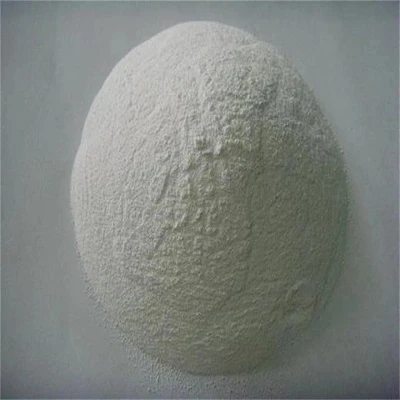
Rumen-bypass amino acid additives are functional feed ingredients engineered to supply targeted essential amino acids-primarily Rumen-Protected Methionine (RPM) and Rumen-Protected Lysine (RPL)-while minimizing microbial degradation in the rumen.
For feed manufacturers, premix producers, and nutrition suppliers, product qualification extends beyond declared purity. Rumen protection rate, post-rumen release efficiency, physical properties, batch consistency, and complete compliance documentation determine commercial suitability.
Key Technical Specifications
|
Parameter |
Specification Criteria |
Test Method / Standards |
|
Product Type |
Rumen-Bypass Amino Acid Additive |
Micro-encapsulated / Matrix coated |
|
Active Ingredients |
DL-Methionine / L-Lysine HCL / Custom Amino Acid |
HPLC / Standard Amino Acid Analysis |
|
Active Content |
50% - 85% (Product-specific target) |
Defined Assay Standard |
|
Rumen Bypass Rate |
>= 75% (12-hour or 16-hour stability) |
In situ Nylon Bag / In vitro Dissolution |
|
Post-Rumen Release Rate |
>= 85% intestinal digestibility |
Modified Enzymatic Release Test |
|
Physical Form |
Free-flowing coated micro-granules |
Visual / Physical Inspection |
|
Particle Size Distribution |
0.8 mm - 2.0 mm (Customizable) |
Standard Sieve Analysis |
|
Moisture Content |
Max 3.0% |
Loss on Drying (LOD) |
|
Bulk Density |
0.60 - 0.75 g/cm3 |
Tapped / Loose Density Test |
|
Heavy Metals |
Pb <= 10 ppm, As <= 2 ppm, Cd <= 1 ppm |
ICP-MS / AAS |
|
Shelf Life |
24 months |
Unopened original packaging |
|
Packaging |
25 kg bags with PE liner / 750 kg jumbo bags |
Moisture-proof industrial packaging |
Core Performance & Quality Characteristics
Dual-Evaluation: Bypass Protection & Intestinal Availability
Protection and release must be evaluated together. Excessive encapsulation provides high rumen stability but reduces post-rumen absorption. Technical evaluation requires proving both high rumen bypass stability and high abomasal/intestinal release efficiency.
Processing Compatibility & Physical Integrity
Physical characteristics dictate dosing accuracy and stability in feed production:
Particle Size & Density Matching: Reduces ingredient segregation during mixing and transport.
Flowability: Prevents bridging in automated micro-dosing systems.
Coating Durability: Resists mechanical shear during conditioning, pelleting, and extrusion.
Quality Assurance & Traceability
Every commercial batch must feature a unique lot number connected to raw material inputs, processing parameters, and final Quality Control (QC) test results.
Target Applications
High-Yield Dairy Rations: Optimizes metabolizable protein (MP) balance, improves milk protein yield, and increases nitrogen efficiency.
Transition Cow Diets: Supports metabolic balance and dry matter intake during early lactation.
Beef Cattle Finishing Diets: Enhances daily gain and feed conversion efficiency in balanced protein formulations.
Commercial Premixes & Concentrates: Formulated for high homogeneity and low segregation risk during industrial blending.
Technical Documentation Required for Buyer Qualification
Before commercial approval, procurement and technical teams should request:
Technical Data Sheet (TDS) / Product Specification
Batch Certificate of Analysis (COA)
Analytical Methods for Active Content and Bypass Testing
Safety Data Sheet (SDS)
Stability & Shelf-Life Test Summary
Regulatory & Quality Certifications (ISO, FAMI-QS, GMP+, or equivalent)
Information to Include in a Request for Quotation (RFQ)
To receive an accurate commercial and technical proposal, provide:
- Target amino acid and required active concentration
- Intended application (e.g., Dairy Premix, Complete Feed, TMR)
- Estimated monthly or annual consumption volume
- Destination port and regulatory compliance requirements
- Packaging preference (25 kg bags or Jumbo totes)
FAQ
Q: What is a rumen-bypass amino acid additive?
A: It is an amino acid formulation processed with protective coating technology. This coating prevents degradation by rumen microflora, allowing the active nutrient to pass intact into the abomasum and small intestine for absorption.
Q: Why should rumen bypass rate and post-rumen release rate be evaluated together?
A: A high rumen bypass rate alone does not guarantee performance. If the coating is too rigid, the amino acid will pass through the entire digestive tract without being absorbed. High efficiency requires both high rumen protection and high intestinal digestibility.
Q: How does particle size affect feed manufacturing?
A: Inconsistent particle size or improper bulk density causes ingredient segregation in premixes and finished feeds. Matching particle parameters ensures uniform distribution and accurate micro-dosing during industrial feed processing.
Q: Can this additive withstand heat and mechanical shear during pelleting?
A: Pelleting resistance depends on the specific coating technology used (e.g., lipid matrix, polymer encapsulation, or ethylcellulose protection). Processing parameters such as conditioning temperature, pressure, and die specifications must be matched with the selected product grade.
Q: What documentation is required for international commercial purchasing?
A: Standard B2B procurement requires a Product Specification Sheet (TDS), representative Certificate of Analysis (COA), Safety Data Sheet (SDS), active content assay method, and destination-country regulatory registration certificates.
Hot Tags: rumen-bypass amino acid additive, China rumen-bypass amino acid additive manufacturers, suppliers, factory