

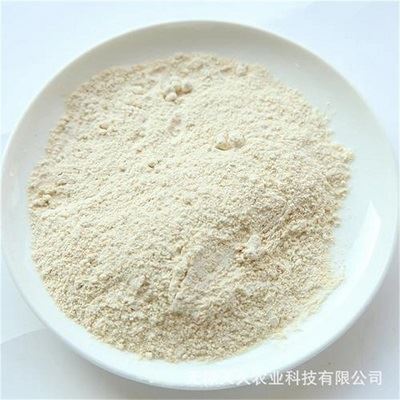
Ruminant feed sweetening agent is a high-potency, heat-stable feed palatability additive specifically formulated for dairy cattle, beef cattle, calves, and small ruminants. It combines high-intensity sweetening compounds with specialized taste-masking technology to improve feed acceptance and maximize Dry Matter Intake (DMI) across all production stages.
The product is engineered to maintain sweetness and active profile stability under demanding commercial feed manufacturing conditions, including high-temperature steam pelleting and extrusion.
Technical Specifications
|
Parameter |
Specification / Buyer Standard |
Verification Method / Condition |
|
Product Category |
Feed Sweetener / Palatability Enhancer |
Functional Feed Additive |
|
Active Sweetening System |
Synergistic blend (Sodium Saccharin, NHDC, Glycyrrhizin) |
HPLC / Product Specification |
|
Sweetness Intensity |
200–500x sucrose equivalent (Customizable) |
Organoleptic Assay |
|
Thermostability |
Stable up to 85°C–90°C |
Steam Pelleting & Extrusion |
|
Physical Form |
Non-dusty, free-flowing powder |
Visual Inspection |
|
Carrier System |
Silica, Maltodextrin, or Mineral Carrier |
Specified by Formula |
|
Moisture Content |
<= 5.0% |
Loss on Drying (105°C) |
|
Particle Size Range |
80–120 mesh |
Sieve Analysis |
|
Heavy Metals (as Pb) |
<= 10 mg/kg |
AAS / ICP-MS |
|
Arsenic (As) |
<= 2 mg/kg |
AAS / ICP-MS |
|
Salmonella |
Negative in 25g |
Microbiological Assay |
|
Packaging & Shelf Life |
25 kg moisture-proof bags; 18–24 months |
Sealed in Cool, Dry Storage |
Key Performance Advantages
Effective Taste Masking: Rapidly neutralizes unpalatable notes caused by high-dose urea, bypass protein, canola meal, distillers grains (DDGS), bitter vitamins, and trace minerals.
Processing Stability: Formulated to withstand mechanical shear forces and steam heat up to 90°C without loss of sweetness intensity or thermal caramelization.
Stimulates Dry Matter Intake (DMI): Improves acceptance during diet shifts, calf weaning, and early lactation, minimizing stress-induced feed intake drops.
Uniform Mixing & Flowability: Controlled particle size prevents segregation during handling and ensures homogeneous dispersion in low-inclusion premixes and compound feeds.
Target Applications & Dosage Guidelines
Recommended inclusion levels depend on base feed composition, processing method, and intensity of off-flavors.
|
Application |
Target Ruminant |
Recommended Inclusion Level |
|
Compound Feed / Pellets |
Dairy & Beef Cattle |
100 – 200 g / MT |
|
Calf Starter / Milk Replacer |
Young Calves |
150 – 300 g / MT |
|
Mineral & Vitamin Premix |
All Ruminants |
1,000 – 3,000 g / MT |
|
Concentrate Feed |
Lactating Cows |
150 – 250 g / MT |
Manufacturing Quality & Regulatory Compliance
Global Quality Certifications: Manufactured in facilities operating under FAMI-QS, GMP+, ISO 22000, and HACCP standards.
Regulatory Compliance: Formulated in compliance with EU Feed Additive Regulations, U.S. FDA animal feed guidelines, and regional feed hygiene codes.
Full Batch Traceability: Every commercial shipment is issued a comprehensive Certificate of Analysis (COA) linking raw material lots, batch production records, and QC test results.
Commercial Customization & B2B Services
Formulation Tuning: Tailored sweetness intensity, masking profiles, and lingering sweetness duration.
Physical Customization: Options for dust-free granules, mineral-free carriers, or micro-encapsulated active components.
Packaging & OEM: Standard 25 kg craft paper bags, jumbo bulk bags (500 kg / 1000 kg), and customized private labeling.
Practical Formulation Evaluation Steps
Diatery Assessment: Identify off-flavor sources in the base formula (e.g., urea level, mineral concentration).
Laboratory Trial: Evaluate physical dispersion and baseline taste-masking in small-scale batches.
Pilot Processing Test: Confirm sweetness retention after steam pelleting or processing.
Commercial Approval: Finalize product specifications, required documentation, and order parameters.
FAQ
Q: Is this sweetening agent stable during high-temperature feed pelleting?
A: Yes. The active sweetening system is thermally stable and engineered to withstand standard commercial steam pelleting and extrusion processes up to 85°C–90°C without degradation of sweetness or taste profile.
Q: Can this product mask the bitter taste of urea and high-concentration mineral premixes?
A: Yes. The additive uses a synergistic sweetening system specifically designed to cover harsh metallic, bitter, or pungent notes caused by urea, synthetic amino acids, high-dose copper or zinc concentrates, and unpalatable protein meals.
Q: What quality documentation is provided for commercial orders?
A: Every shipment includes a Certificate of Analysis (COA), Technical Data Sheet (TDS), and Safety Data Sheet (SDS). Additional facility certifications (FAMI-QS, GMP+, ISO) and regulatory documentation are available upon request for vendor qualification.
Q: Can the product specification be customized for specific feed applications?
A: Yes. We offer customization options for sweetness potency, active component combinations, carrier selection, particle size distribution, and private-label packaging to match your feed manufacturing requirements.
Q: How should we conduct a sample evaluation before commercial approval?
A: We recommend evaluating a sample first in your lab feed matrix at different inclusion rates, followed by a pilot pelleting run to test physical blending and heat retention before finalizing the commercial specification.
Hot Tags: ruminant feed sweetening agent, China ruminant feed sweetening agent manufacturers, suppliers, factory