

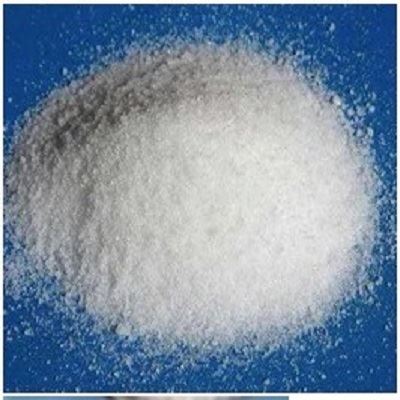
Surface coating chemical daccharin (CAS No. 81-07-2) is a specialized organic additive engineered for electroplating and surface finishing, particularly nickel electrodeposition.
In nickel plating processes, Saccharin serves as a vital stress-reducing additive. It mitigates internal tensile stress in electrodeposited nickel layers while improving deposit morphology, grain refinement, hardness, and ductility.
Technical Specifications & Quality Parameters
Below are the key standard specifications for B2B technical evaluation. A batch-specific Certificate of Analysis (COA) is provided with every shipment.
|
Parameter |
Specification / Limits |
Test Method |
|
Appearance |
White crystalline powder, odorless |
Visual Inspection |
|
Assay (Purity, Dry Basis) |
Greater than or equal to 99.0% |
HPLC / Titration |
|
Loss on Drying (Moisture) |
Less than or equal to 0.5% |
Karl Fischer / GB/T 6283 |
|
Melting Range |
226.0 to 230.0 degrees Celsius |
Capillary Method |
|
Insoluble Matter |
Less than or equal to 0.01% |
Gravimetric Method |
|
Heavy Metals (as Pb) |
Less than or equal to 10 ppm |
AAS / ICP-OES |
|
Arsenic (As) |
Less than or equal to 2 ppm |
AAS |
|
Sulfate (SO4 2-) |
Less than or equal to 0.02% |
Ion Chromatography |
|
Chloride (Cl-) |
Less than or equal to 0.01% |
Ion Chromatography |
|
Particle Size |
20 - 80 mesh (or customized) |
Sieve Analysis |
Key Applications & Engineering Guidelines
Applications
Watts Nickel Plating: Functions as a stress reducer and grain refiner in decorative and functional plating baths.
Nickel Electroforming: Controls internal strain to prevent distortion in precision molds, optical parts, and electroformed meshes.
Sulfamate Nickel Plating: Applied in low-stress engineering applications, such as printed circuit board manufacturing and aerospace components.
Formulation Manufacturing: Serves as a high-purity chemical ingredient for producers of proprietary brightener packages.
Engineering & Usage Tips
Recommended Bath Concentration: 0.5 to 2.0 g/L depending on bath type and required stress level.
Over-dosing Risks: Concentrations above 3.0 g/L may cause sulfur codeposition, leading to reduced corrosion resistance or heat-treatment embrittlement.
Under-dosing Symptoms: High internal tensile stress, leading to potential cracking or peeling under mechanical strain.
Process Conditions: Maintain balance with current density (1 to 8 A/dm2), pH (3.8 to 4.5), and bath temperature (50 to 60 degrees Celsius).
Quality Assurance & Regulatory Compliance
ISO Certification: Manufactured under ISO 9001:2015 and ISO 14001 certified systems.
Regulatory Compliance: Fully REACH-compliant for exports to the European Union; compliant with RoHS and SVHC limits.
Traceability: Every container is labeled with a unique Batch Number linked to raw material records, synthesis logs, and final QC test reports.
Documentation: Multilingual GHS-compliant Safety Data Sheets (SDS) and Technical Data Sheets (TDS) are available upon request.
Packaging, Logistics & Commercial Terms
|
Parameter |
Commercial Details |
|
Packaging Options |
25 kg Kraft paper bags with PE inner liner; 25 kg fiber or plastic drums |
|
Palletization |
500 kg to 1000 kg per shrink-wrapped, ocean-worthy pallet |
|
Minimum Order Quantity (MOQ) |
100 kg (Trial order) / 1000 kg (Standard order) |
|
Annual Capacity |
Over 3,000 Metric Tons |
|
Standard Lead Time |
7 to 14 days from order confirmation |
|
Shipping Ports |
Shanghai / Ningbo / Qingdao, China |
|
Shelf Life & Storage |
24 months stored in a cool, dry place in original unopened packaging |
fAQ
Q: What primary role does Saccharin play in a nickel plating bath?
A: Saccharin acts as a stress reducer and Class I brightener. It reduces tensile stress, promotes grain refinement, and works together with Class II brighteners to produce ductile, high-brightness deposits.
Q: What is the difference between insoluble Saccharin and Sodium Saccharin in electroplating?
A: Insoluble Saccharin (CAS 81-07-2) and Sodium Saccharin (CAS 128-44-9) both deliver active saccharin to the bath. Insoluble Saccharin is preferred in proprietary liquid concentrate formulations where sodium ion accumulation must be avoided.
Q: Can you supply a batch-specific COA prior to shipment?
A: Yes. Every commercial shipment and sample is delivered with a batch-specific Certificate of Analysis detailing purity, moisture, heavy metals, and physical specifications.
Q: Is this product REACH compliant for export to Europe?
A: Yes. Our electroplating-grade Saccharin complies with EU REACH regulations, and relevant compliance documentation is available during supplier qualification.
Q: Can we request a sample for lab evaluation before placing a bulk order?
A: Yes. We offer 100g to 500g free testing samples for qualified electroplating formulators and industrial buyers upon request.
Hot Tags: surface coating chemical saccharin, China surface coating chemical saccharin manufacturers, suppliers, factory