

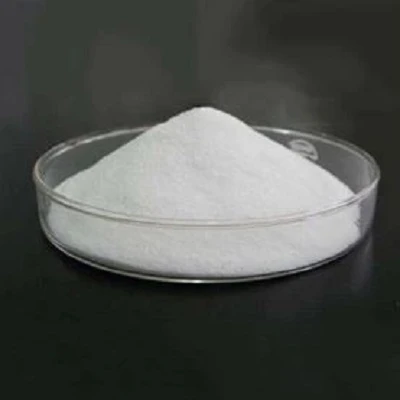
High-intensity aspartame powder (INS 951 / E951) is a specialized food-grade high-intensity sweetener engineered for applications requiring potent sweetness at minimal inclusion levels. Delivering approximately 200 times the sweetness of sucrose-subject to food matrix, pH, and formulation conditions-it is an ideal solution for sugar reduction across beverages, dry mixes, confectionery, chewing gum, dairy, and tabletop sweetener systems.
Technical Specifications
The following table details typical commercial specification parameters. All delivered shipments are released against batch-specific Certificates of Analysis (COA).
|
Parameter |
Requirement / Specification Standard |
|
Appearance |
White crystalline powder |
|
Assay (Dry Basis) |
98.0% – 102.0% |
|
Loss on Drying |
Controlled to strict specification |
|
pH (0.8% Solution) |
Controlled to strict specification |
|
Specific Rotation |
Controlled according to pharmacopeial/food grade standards |
|
Related Substances |
Strictly controlled per target specification |
|
5-Benzyl-3,6-dioxo-2-piperazineacetic Acid |
Controlled impurity profile |
|
Heavy Metals / Elemental Impurities |
Complies with international food safety limits |
|
Microbiological Quality |
Total Plate Count, Yeast & Mold, Pathogens controlled to food-grade standards |
|
Particle Size Distribution |
Customizable according to formulation & dry-blending requirements |
Applications & Formulation Fit
Powdered Beverage Mixes: Ideal for instant drinks, flavored beverage powders, and nutritional premixes. Particle size control ensures uniform distribution at low inclusion rates.
Liquid Beverage Systems: Frequently utilized in carbonated soft drinks, reduced-sugar juices, and functional beverages where system pH and pasteurization profiles are optimized.
Confectionery & Chewing Gum: Provides long-lasting sweetness; requires proper dry-blending to prevent localized concentration.
Dairy & Desserts: Suitable for yogurt, frozen desserts, and pudding systems; requires thermal processing and shelf-life evaluation.
Tabletop Sweeteners: Serves as a primary sweetening component in portion-controlled sachet blends and bulk tabletop products.
B2B Buyer Approval Checklist
Assay & Purity: Verification of active content alongside controlled related-substance impurity limits.
Particle & Physical Controls: Consistent mesh size to ensure smooth dry blending and automated dosing.
Moisture & Storage Stability: Low moisture content prevents caking and maintains stability over time.
Batch Consistency & Traceability: Linked batch records to ensure lot-to-lot repeatability and rapid quality investigations.
Regulatory Compliance & Documentation: Comprehensive technical support packages tailored to the destination market.
Manufacturing & Quality Control
Raw Material Verification: All input materials are tested and logged into the batch traceability system before production.
Controlled Crystallization & Drying: Ensures precise particle morphology, crystal structure, and moisture levels.
Quality Release Protocol: Every batch undergoes comprehensive laboratory clearance (chemical, physical, and microbiological) prior to release.
Quality Standards, Certifications & Documentation
Global Certifications:
- FSSC 22000 / ISO 22000 / HACCP / GMP
- HALAL Certified
- KOSHER Certified
Available Documentation Package:
- Certificate of Analysis (COA) per batch
- Technical Data Sheet (TDS) & Safety Data Sheet (SDS)
- Allergen, Non-GMO, and Residual Solvent Statements
- Heavy Metal & Elemental Impurity Data
- Regulatory Compliance Documentation (FDA, EFSA, Codex GSFA)
Packaging & Logistics Specifications
Primary Packaging: Sealed, double-layer food-grade PE inner bags.
Secondary Packaging: 25 kg net weight fiber drums or multi-wall corrugated carton boxes.
Palletization: ISPM 15 compliant heat-treated pallets with shrink wrapping and edge protectors.
Commercial Terms: Available under FOB, CFR, CIF, or DDP terms.
RFQ Submission Guide
To request a quotation or evaluation samples, please provide:
- Required Grade / Specification Parameters
- Target Application & Inclusion Level
- Estimated Order Quantity & Annual Demand
- Destination Market & Regulatory Requirements
- Packaging Preference
FAQ
Q: What is the sweetness ratio of Aspartame compared to sucrose?
A: Aspartame is approximately 200 times sweeter than sucrose. However, the exact perceived sweetness depends on concentration, formulation pH, flavor profile, and synergistic combinations with other sweeteners.
Q: Is Aspartame suitable for high-temperature processing?
A: Aspartame sensitivity increases with prolonged thermal exposure and extreme pH levels. Formulation trials and thermal stability testing should be conducted before establishing commercial processing parameters for hot-fill or high-heat processes.
Q: What packaging options are available for industrial purchases?
A: Standard B2B delivery is provided in 25 kg fiber drums or carton boxes fitted with double-layer PE food-grade inner liners. Customized pack sizes and pallet configurations are available upon request.
Q: What technical documentation is supplied with each order?
A: Every commercial shipment includes a batch-specific Certificate of Analysis (COA). Additional regulatory documentation-such as TDS, SDS, HALAL/KOSHER certificates, Non-GMO statements, and Allergen declarations-is provided during supplier qualification.
Q: What details are necessary to receive a bulk price quotation?
A: To receive an accurate quote, please state your target grade, required packaging format, estimated volume, target delivery timeline, destination country, and intended application.
Hot Tags: high-intensity aspartame powder, China high-intensity aspartame powder manufacturers, suppliers, factory